
TKM College of Engineering, Class of 1996
The Trek Begins: First Steps to Ghandruk
From Pokhara's mountain views to the first teahouse at Ghandruk—60 kilometers begins with a single step
Pokhara (Hotel Dashain) → Ghandruk Village
Weather: Perfect—clear skies, Annapurna range visible, no rain at Lumle
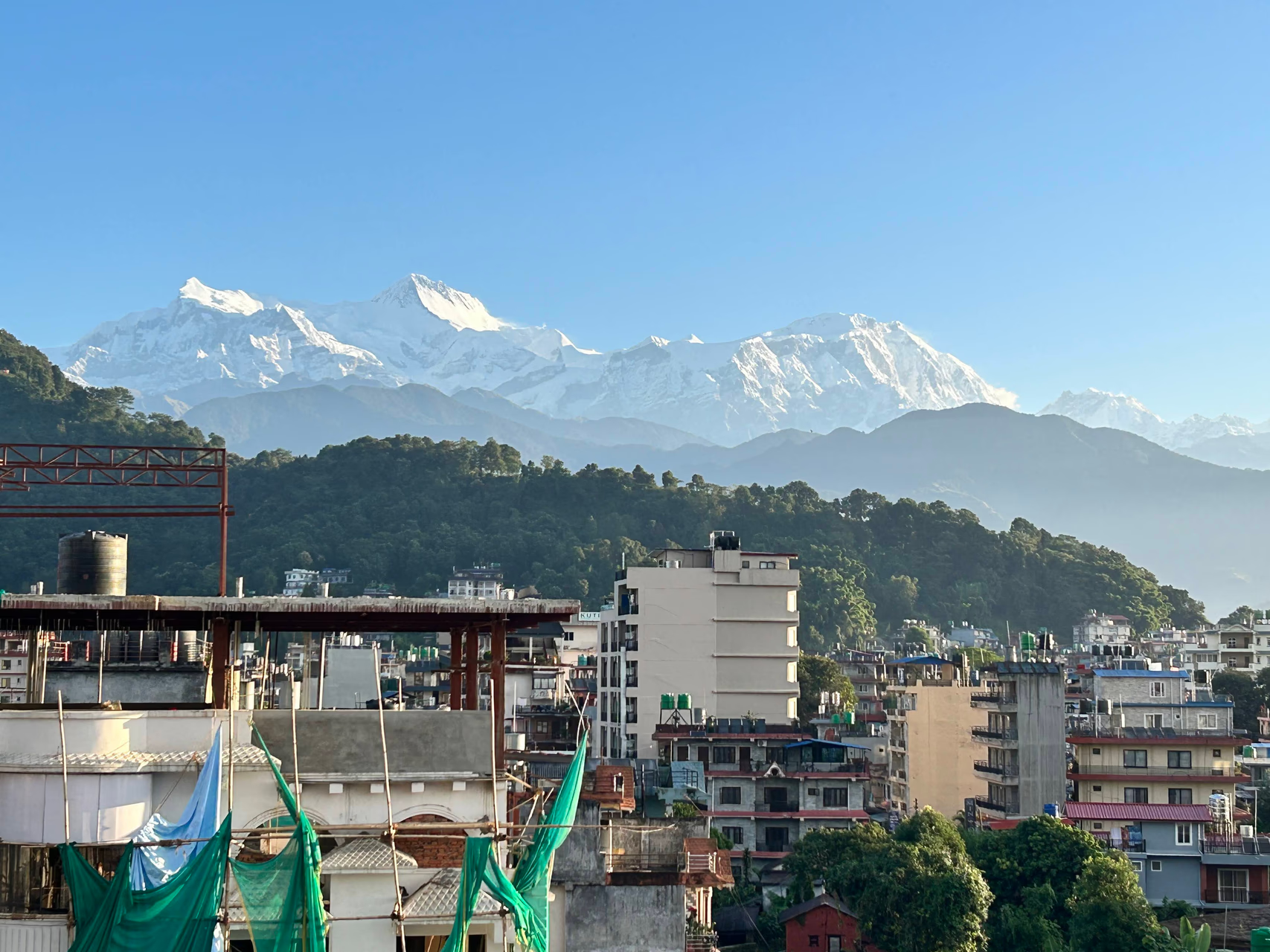 Clear morning in Pokhara—Machapuchare and the Annapurna range standing sharp against a cloudless sky
Day 2: Oct 9th - The First Steps
There are beginnings that announce themselves. This was one of them.
Morning Assembly
I woke up at Hotel Dashain where George, Ann, and I were staying. Alima and Renjith had completed their overnight rescue mission—Renjith driving six hours to Kathmandu, picking up Alima from the midnight flight, then six hours back to Pokhara. They’d arrived at 6 AM and were catching a few desperate hours of sleep before the trek began. Sleep when you can get it—that’s the traveler’s code.
It was Renjith’s birthday the day before, spent mostly in a cab. But they’d made it back. The plan had worked.
I made a quick trip to Top & Top Hotel where the rest of the group was staying, dropping off a few things for Renjith. Then walked back to Dashain, packed my bag, and shouldered it for the first time fully loaded. The weight settled onto my shoulders—a physical commitment. These were the first steps of the next sixty kilometers, though I was still inside a hotel.
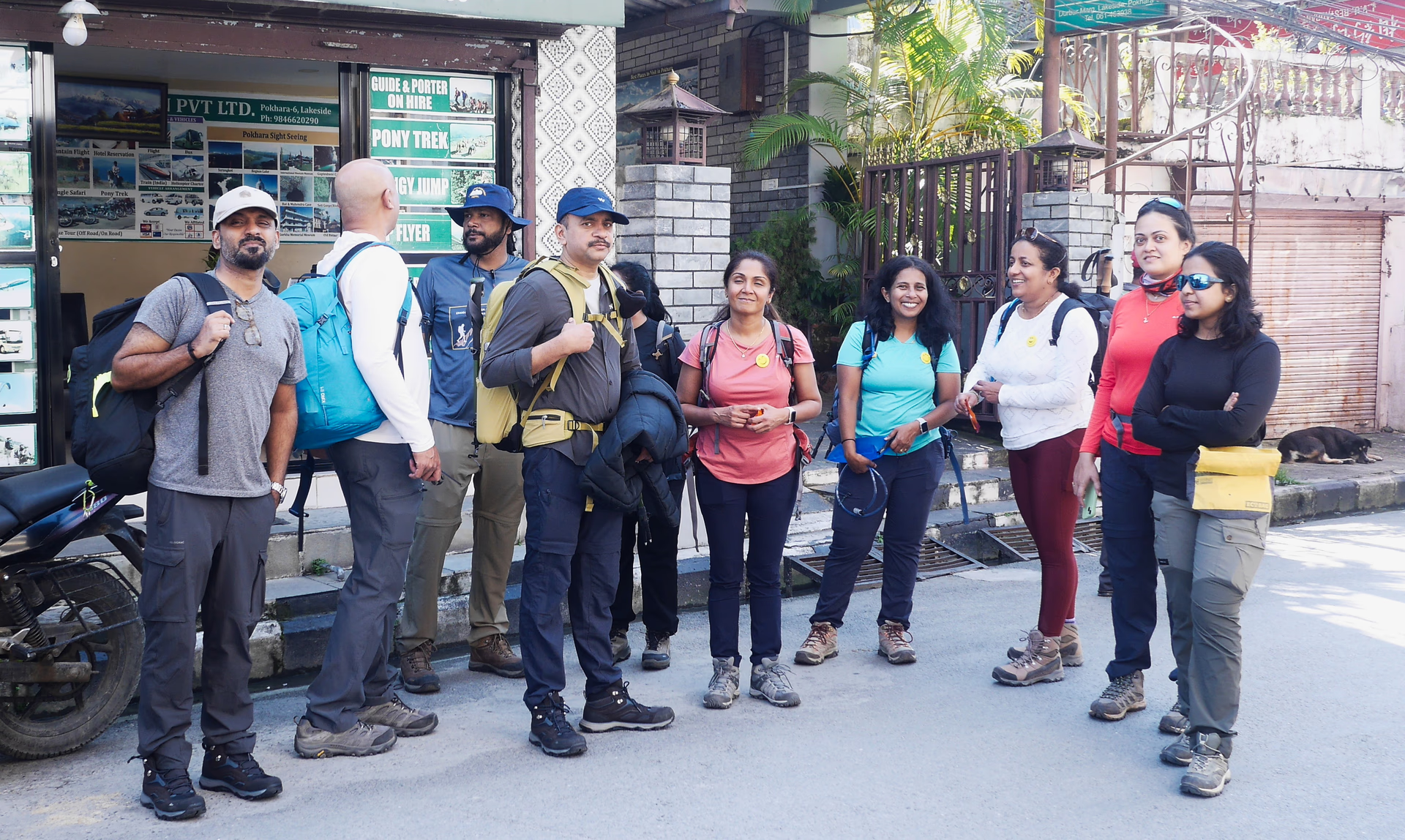 Team assembled at Top & Top Hotel—Praveen conducting health checks over morning tea
The team assembled at Top & Top. Praveen did the health checks—pulse, oxygen levels, the baseline measurements we’d compare against as we climbed higher. We had tea. The kind of unhurried preparation that precedes something significant.
The Road to Kimchee
The first part of the trek wasn’t walking—it was a bus ride from Pokhara to Kimchee, where the actual trekking would begin. This is how modern Himalayan treks work: you skip the boring valley roads and start where things get interesting.
The bus carried us into rural Nepal. Green everywhere. Paddy fields terraced into hillsides. Rivers cutting through valleys. Small hamlets where life moved at the pace of seasons rather than schedules. Mountains appearing and disappearing as the road curved.
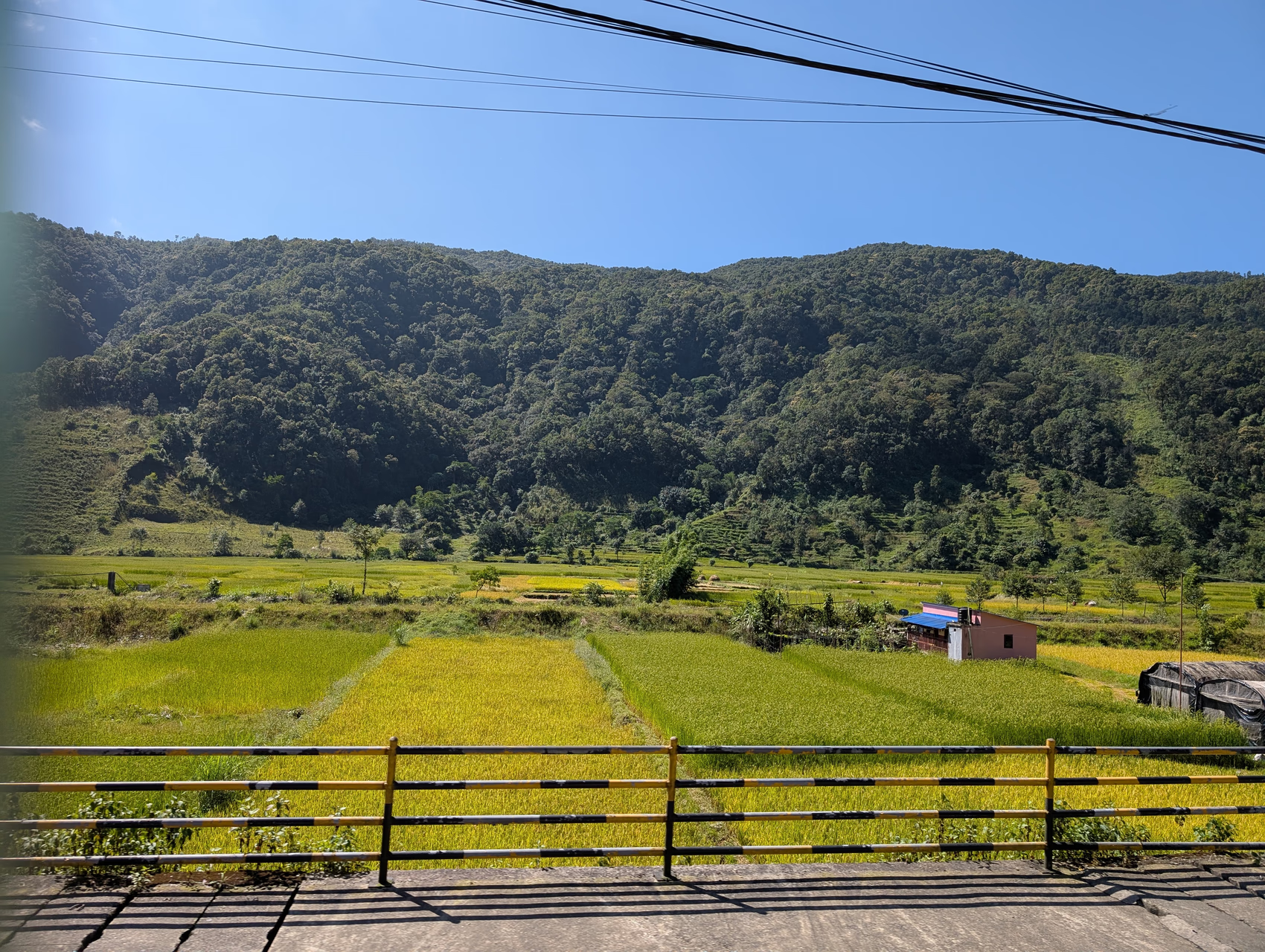 First glimpses of rural Nepal—green hills, paddy fields, and the road to Kimchee
We stopped at Lumle for tea and snacks. Lumle, our guide mentioned casually, gets more rain than anywhere else in Nepal. The wettest spot in the country. But today? Not a cloud. Not a drop. Just clear skies and mountain views. It was the kind of luck that would follow us every day of the trek—we just didn’t know it yet.
Kimchee: Where the Walking Begins
We reached Kimchee by 1:30 PM. First order of business: lunch. Dal Bhat—the staple that would power us through the next week. Rice, lentil soup, vegetables, sometimes meat. Simple food that becomes complicated when you realize you’ll be eating it twice a day for a week.
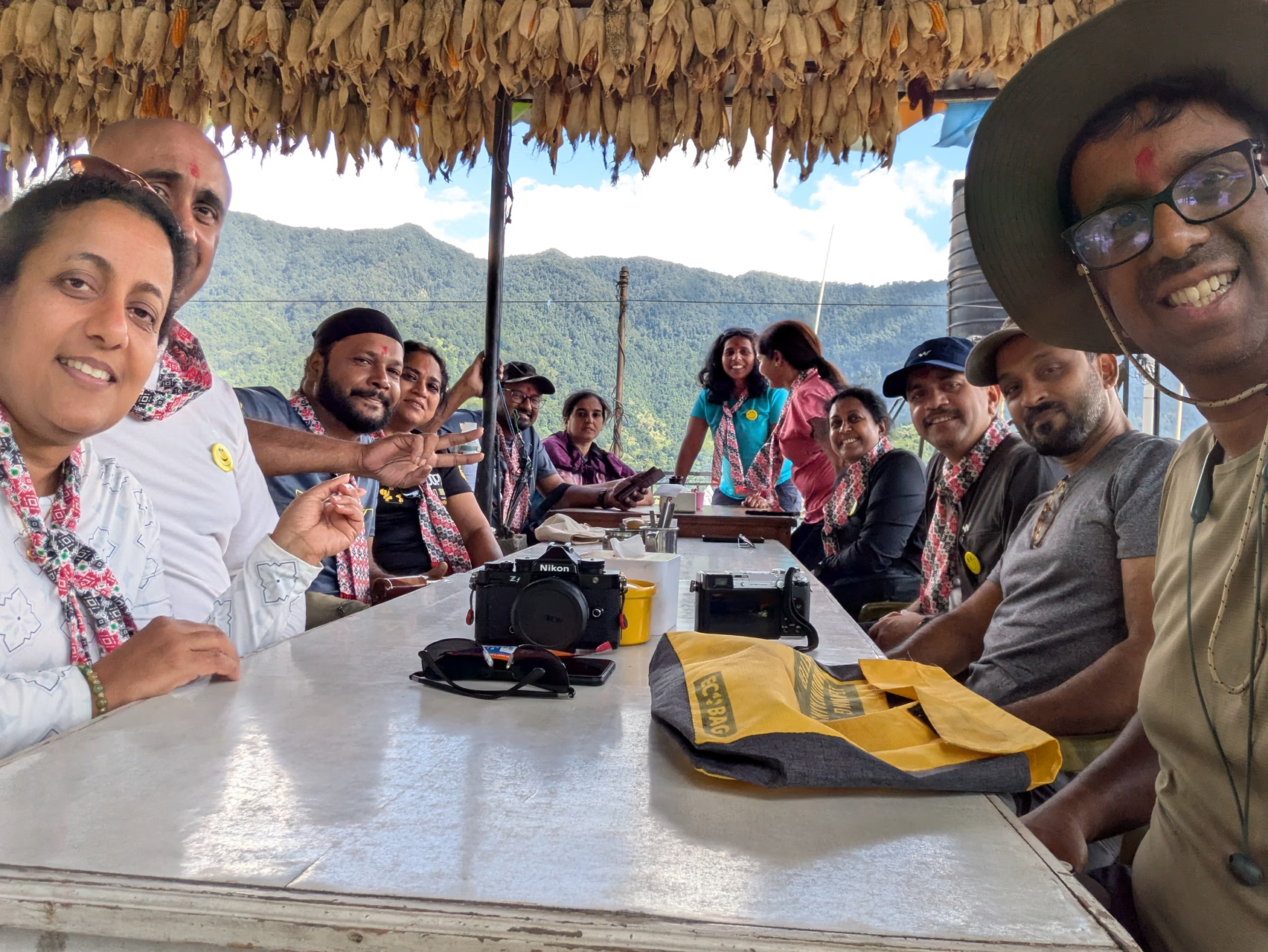 Dal Bhat at Kimchee—the first of many that would fuel our journey
After lunch, Praveen and Asmir gave us a briefing. Kimchee to Ghandruk. A short trek to start—easy elevation, reasonable distance. Break ourselves in gently before the real climbing began.
By 2:30 PM, we started hiking.
The First Kilometers
The first obstacle was a hanging bridge. The kind that sways when you walk across it, making you acutely aware that you’re suspended over a river gorge by cables and optimism. Everyone made it across without incident, though some with more enthusiasm than others.
Then the valley opened up, and there they were—snowcapped peaks cutting sharp lines against the sky, terrace farms cascading down hillsides in geometric patterns that only make sense when you understand that every flat surface at this altitude is precious.
Soon after we started, we encountered my doppelganger—a trekker from Kilimanoor who looked uncannily like me. Everyone had a good laugh. The universe has a strange sense of humor about these coincidences.
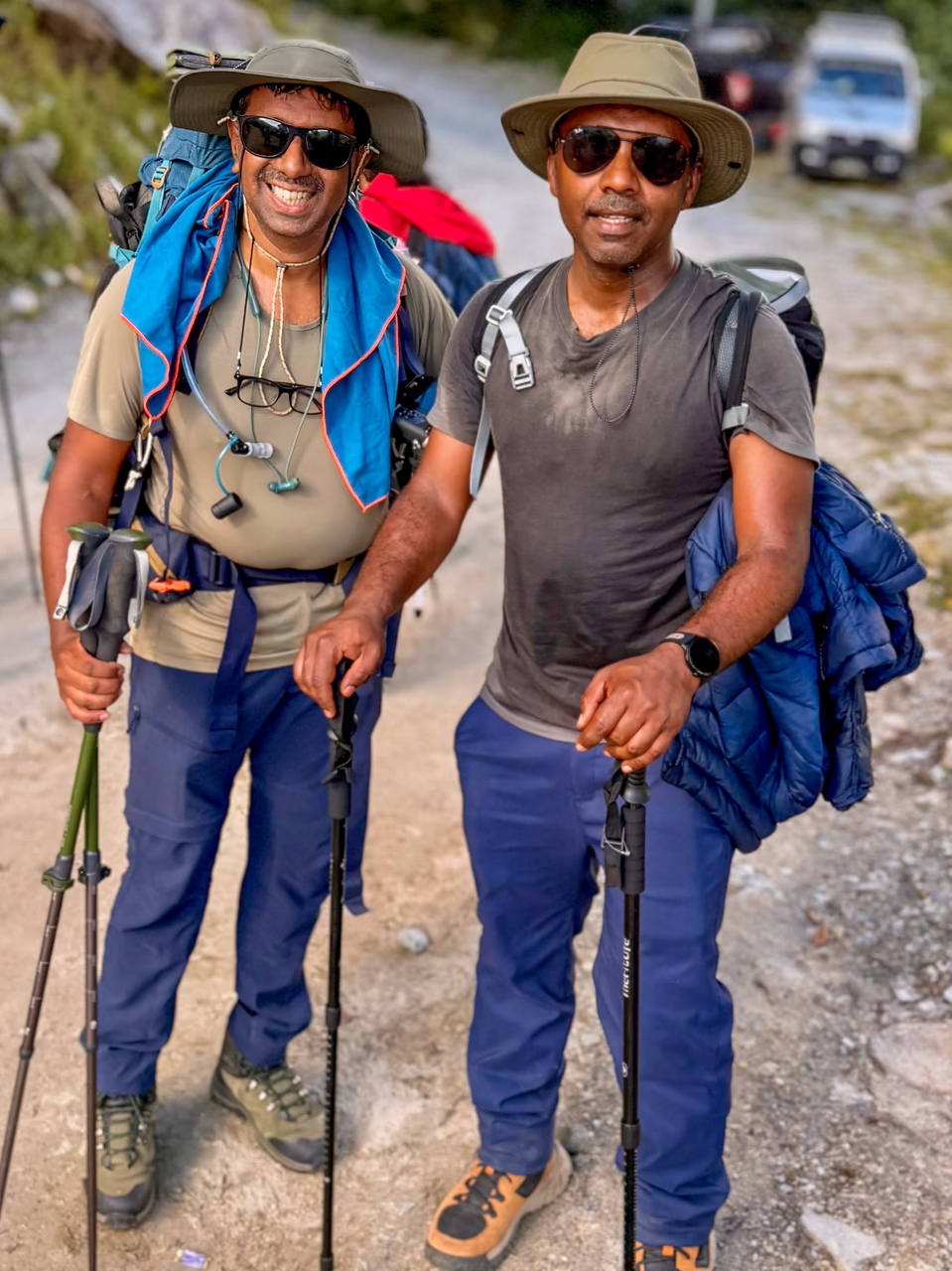 The Kilimanoor doppelganger—even the mountains couldn’t keep a straight face
Roaming Souls at Full Volume
There were three other trekkers with us—Anushree, Pratibha, and Nihar. Much younger. Probably expecting a peaceful mountain experience. What they got instead was Roaming Souls at full volume—laughter and jokes that shook up the calm of the Kimchee valley. We don’t do quiet contemplation when there’s an opportunity for emphatic presence.
This was Deepu’s first trek. Alima and Renjith were trekking on practically no sleep after their overnight drive. But everyone found their rhythm. Walking has a way of equalizing things—experience matters less than just putting one foot in front of the other.
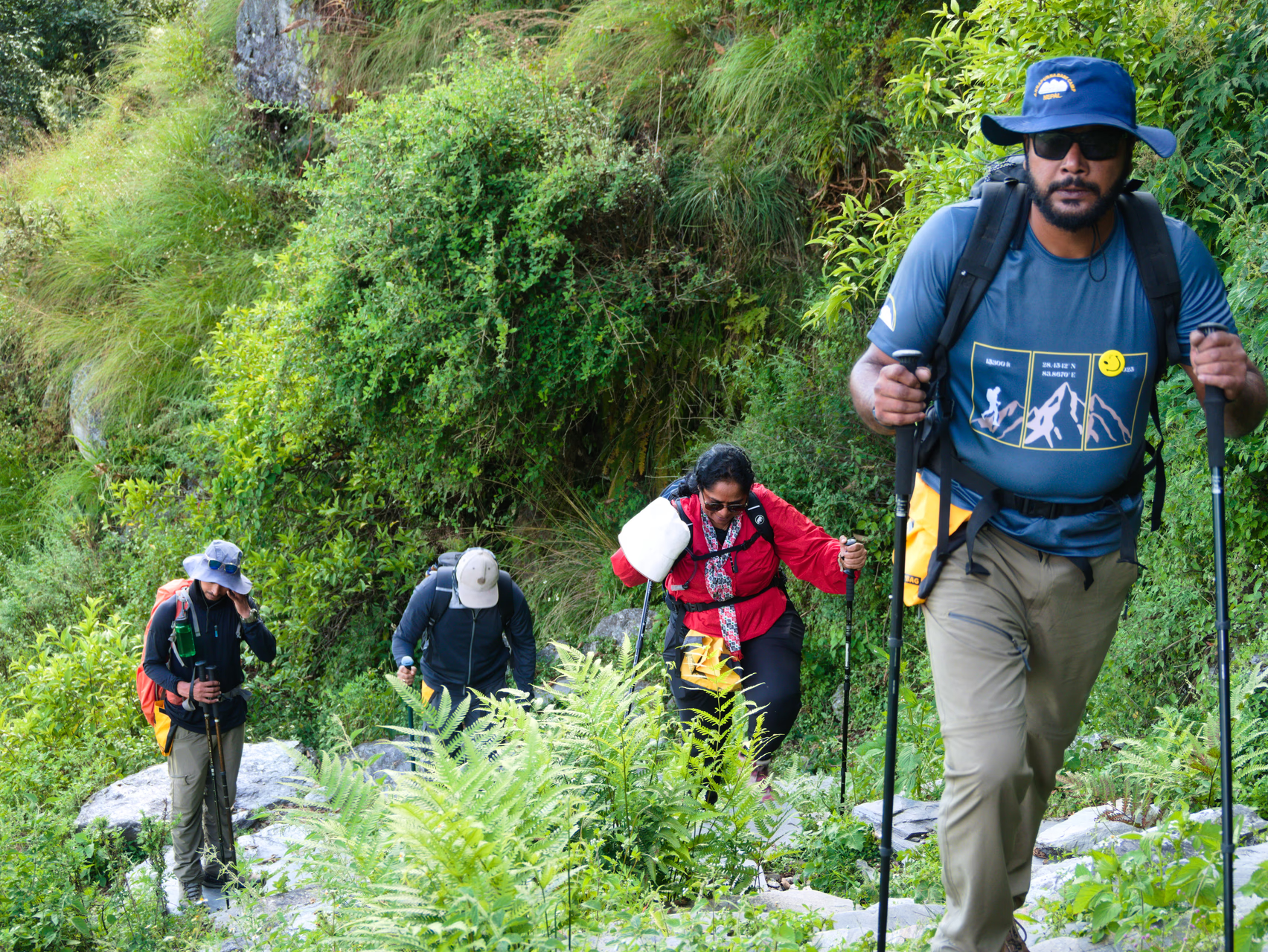 Deepu’s first trek—finding his stride on the trail to Ghandruk
Ghandruk Approaches
Before reaching the teahouse, we passed the Ghandruk Gurung Museum—a small collection of utensils and art the villagers used decades back. The simplicity struck me. Practical objects designed for practical problems. No excess. No decoration for decoration’s sake. Just tools refined over generations to do exactly what needed doing.
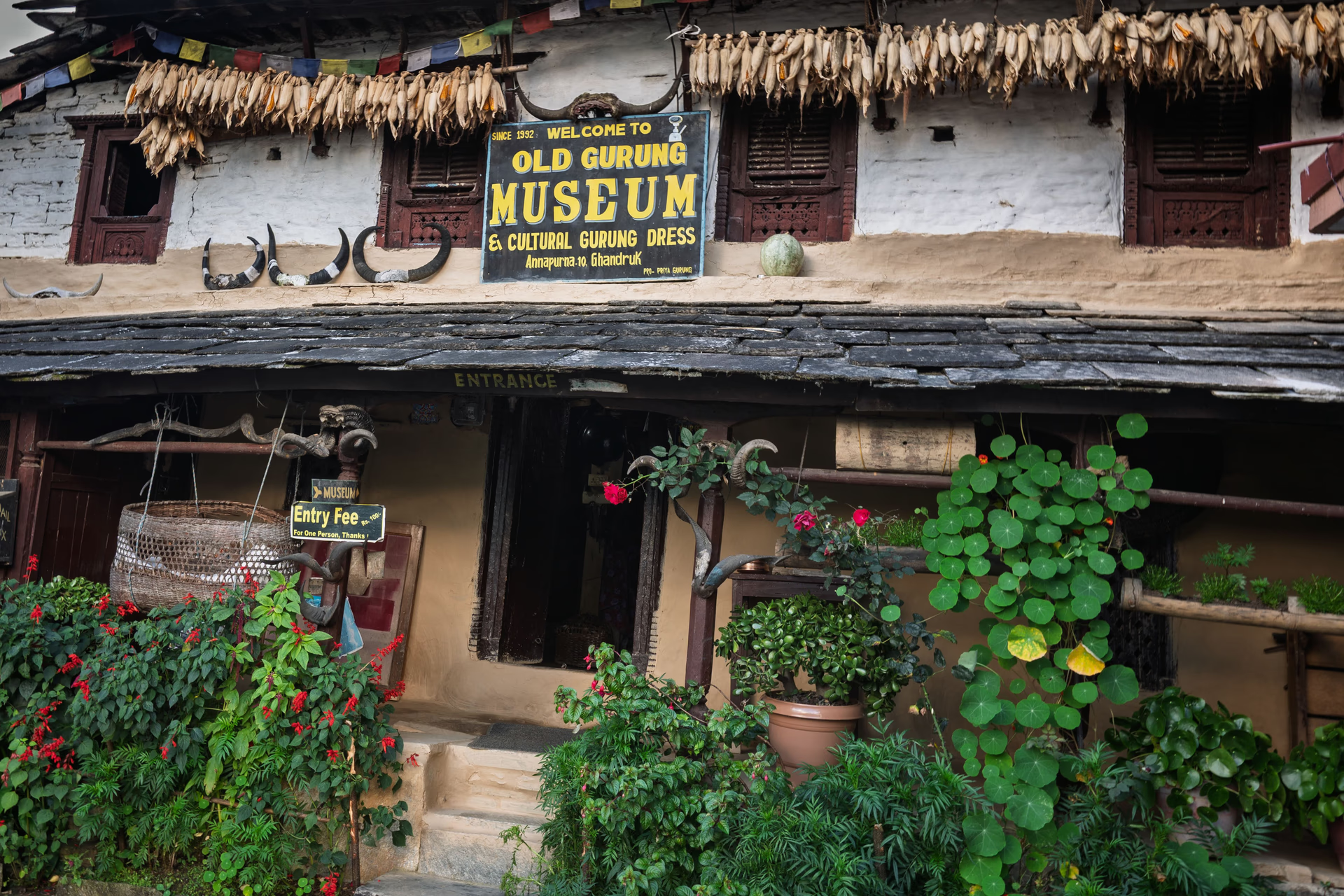 Traditional Gurung utensils and art at the Old Gurung Museum—simplicity refined over generations
We crossed the Ghandruk village gate by 5:30 PM. Then walked another fifteen minutes to the first teahouse.
The facilities were surprisingly good. Nice room. For this first night, Prakash, Renjith, and I were roommates—a rotation system we’d maintain throughout the trek.
Machapuchare at Sunset
From the teahouse porch, we watched the sun set over Machapuchare. The sacred peak, off-limits to climbers, turned gold then pink then purple as the light drained from the sky. These are the moments you can’t plan. They just happen, and you either pay attention or you don’t.
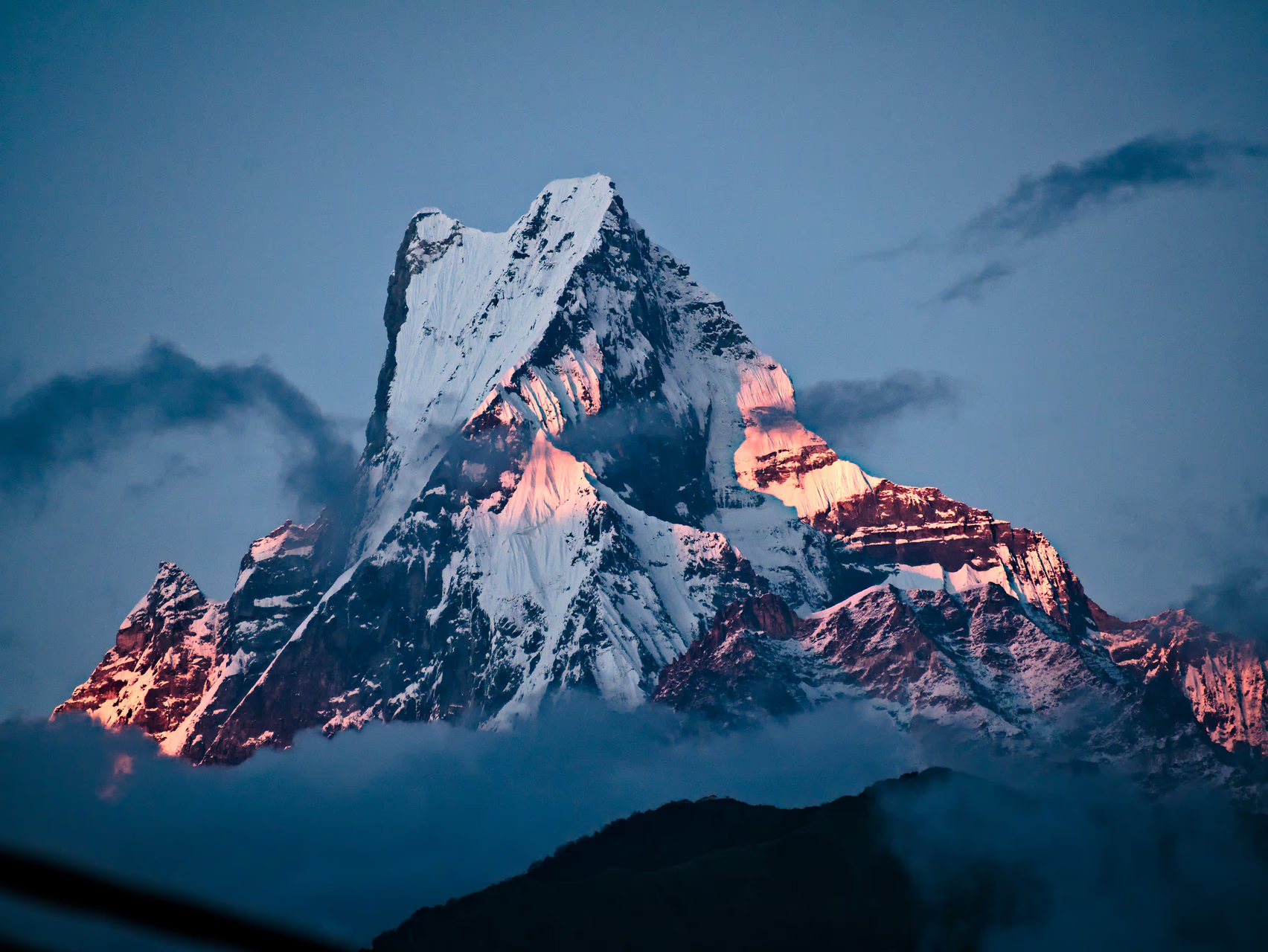 Machapuchare at sunset from the teahouse porch—the sacred peak in golden hour
Night Walk to the Viewpoint
After sunset, we set out for a short walk to the Ghandruk village viewpoint. Fifteen minutes in the dark. Down below, village lights created constellations that mirrored the stars above. Houses and structures picked out in warm light against the black hillside. We spent about forty minutes there—mostly in silence. Sometimes the best thing to do with a view is nothing.
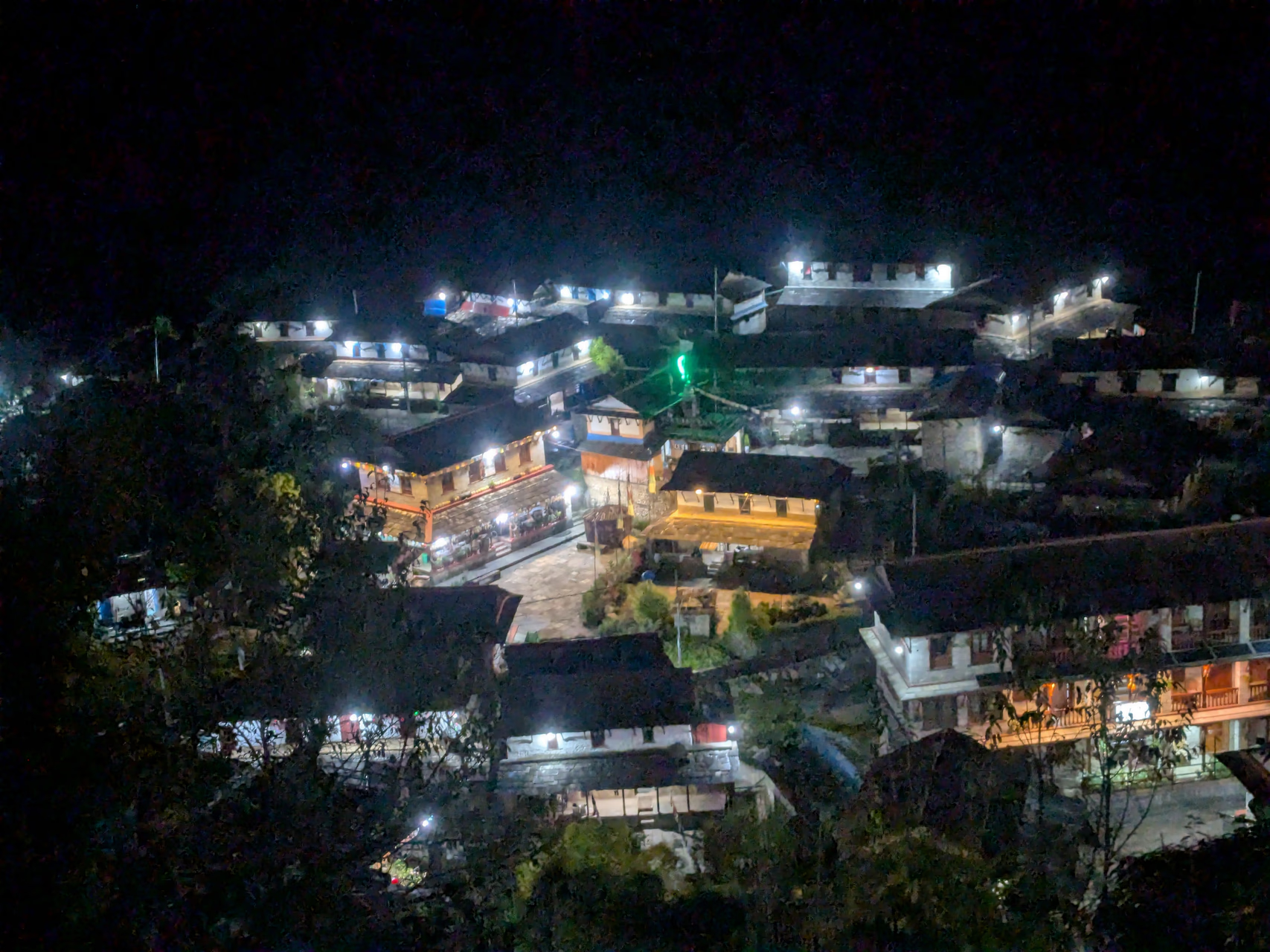 Ghandruk village at night—lights scattered across the hillside like earthbound stars
We walked back to the teahouse in the dark, headlamps cutting narrow paths through the night.
Dal Bhat Again
Dinner was simple. Dal Bhat. Again. This is the pattern: the food doesn’t change, but your appreciation for it does. When you’re burning calories climbing mountains, dal bhat stops being monotonous and starts being exactly what you need.
After dinner, Praveen briefed us about the next day’s trek to Tadapani. More climbing. Rhododendron forest. Longer distance. The warm-up was over.
Then we retired to our rooms.
5:15 AM Wake-Up Call
Sunrise the next morning was scheduled for 5:45 AM. Those who wanted to see it over Machapuchare needed to wake up at 5:15 AM. I was one of them.
The first rays of sun hitting snowcapped peaks is a sight that justifies early wake-up calls. Gold spreading across white. The mountains coming alive as the world below still sleeps.
But that’s tomorrow’s story.
Reflections
The first day of trekking is always strange. Your body doesn’t quite believe what you’re asking it to do. Your pack feels heavier than it should. Every hill seems longer than it looks.
But somewhere between Kimchee and Ghandruk, between the hanging bridge and the village gate, between sunset over Machapuchare and the silent viewpoint in the dark—somewhere in there, the trek stopped being a plan and became a reality.
Sixty kilometers ahead. One village behind.
The journey had begun.